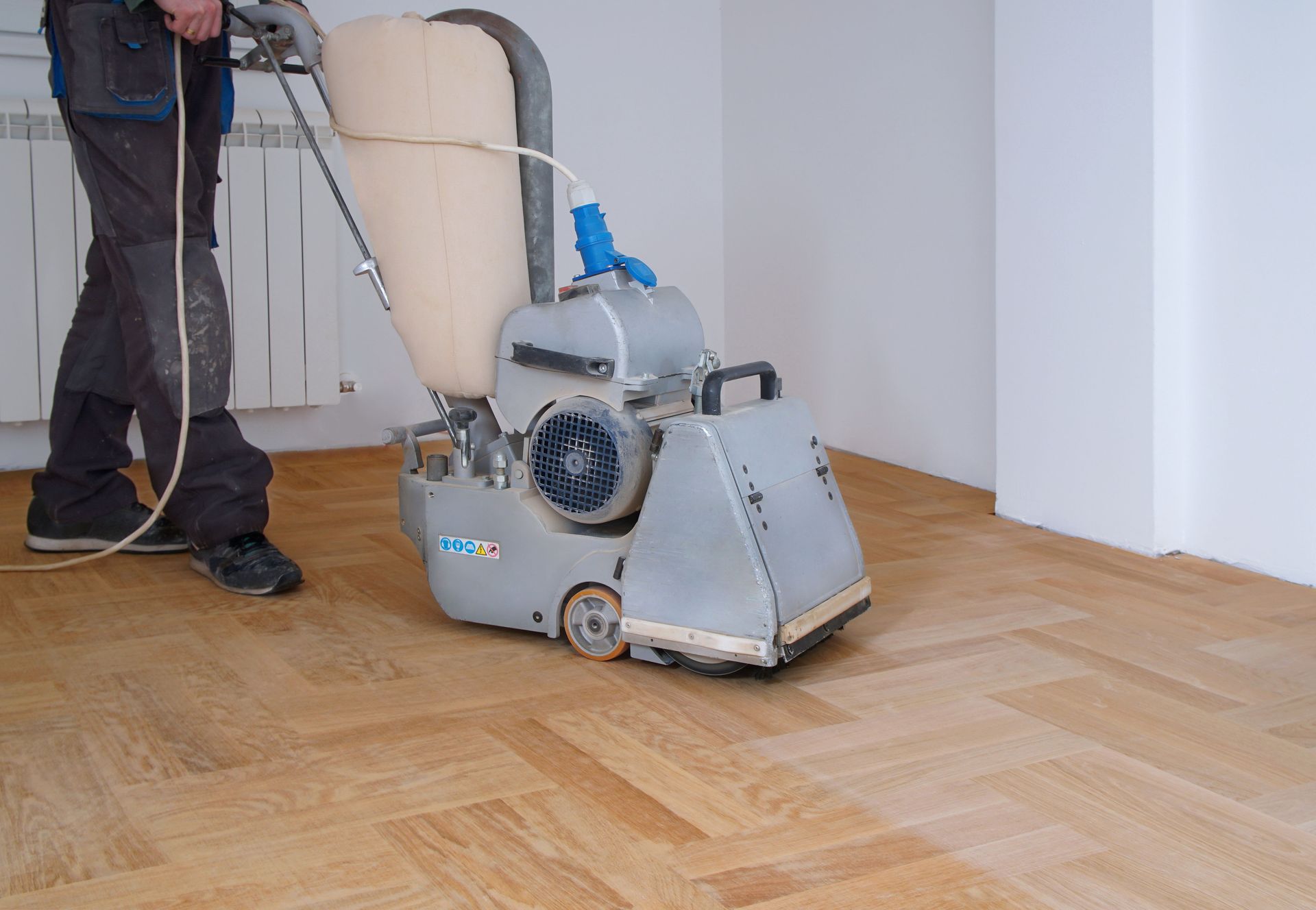
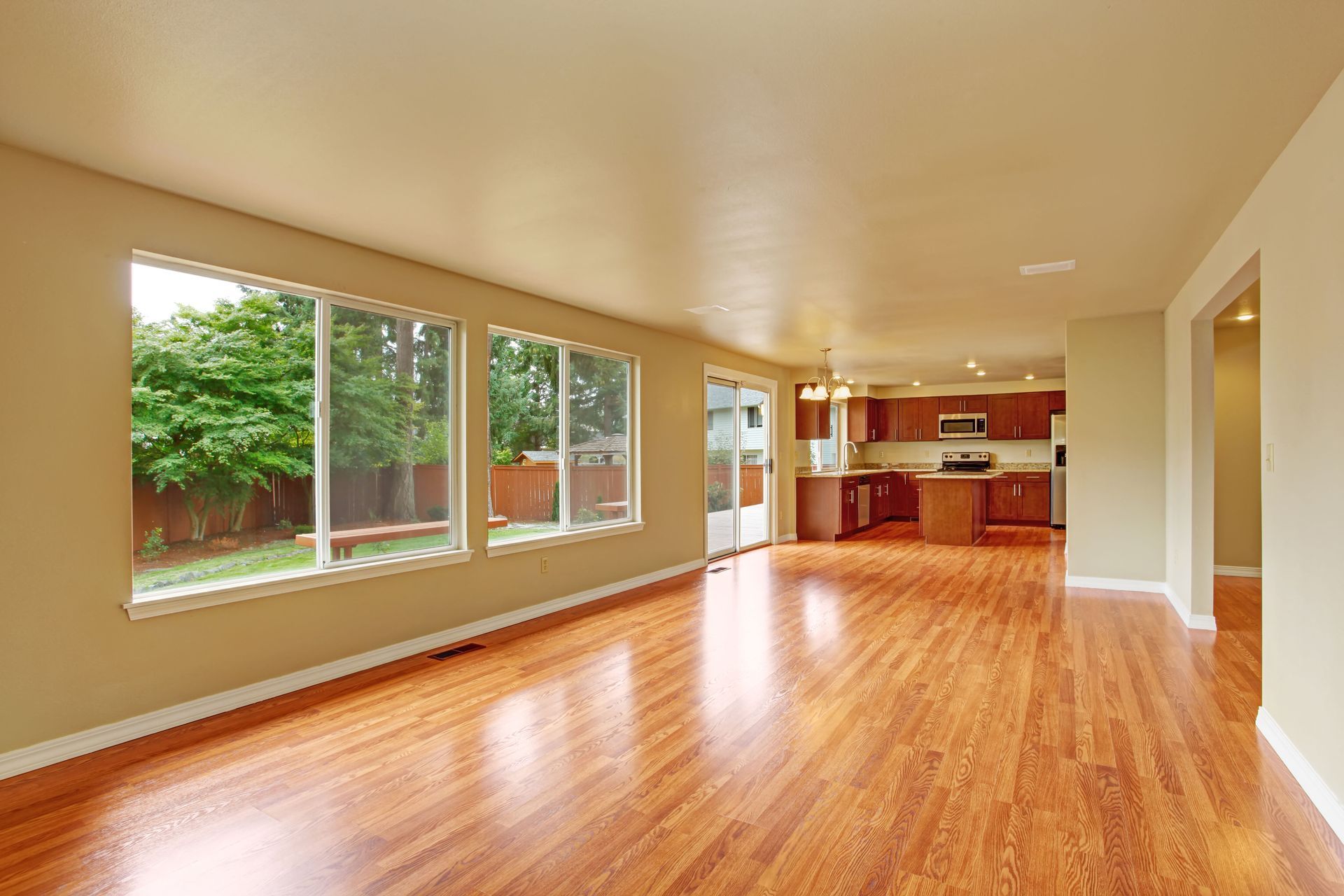
Hardwood floors can add warmth, character, and long-term value to a home, but refinishing them has traditionally created one major inconvenience: dust. Conventional sanding can release fine wood particles into the surrounding space, creating additional cleanup and making the process more disruptive for homeowners. Today, many hardwood flooring services are turning to dustless sanding systems that collect debris close to the source and create a cleaner refinishing experience.
Consumer demand is helping drive this change. According to Grand View Research, 55% of floor refinishing contractors now use advanced containment systems in response to strong demand for dustless sanding. These systems can make refinishing more comfortable and manageable while still allowing professionals to remove worn finishes, scratches, discoloration, and other surface imperfections. As refinishing technology continues improving, dust control is becoming an increasingly important part of professional flooring work.
Creating Cleaner Refinishing Environments
Reducing Airborne Dust
Traditional sanding can release a significant amount of fine wood dust into the air. Dustless systems are designed to capture much of this material as sanding takes place. By connecting sanding equipment to specialized vacuums or containment systems, contractors can reduce how much debris spreads into surrounding rooms.
Reducing Surface Buildup
Fine sanding dust can settle on walls, trim, furniture, fixtures, and other surfaces. Hardwood flooring services using dust-containment equipment can help limit this buildup, reducing the amount of post-project cleaning required and keeping nearby areas more manageable throughout the work.
Reducing Room-to-Room Migration
Without effective containment, dust can travel beyond the room where refinishing occurs. It can move through doorways, hallways, and HVAC airflow. Advanced sanding systems help control the source of that debris and reduce how much it spreads throughout the property.
Reducing Cleanup Demands
Even professional refinishing requires cleanup, but less airborne dust can mean less extensive cleaning afterward. Homeowners may appreciate being able to return the space to normal use more quickly without finding fine particles on every nearby surface.
Creating More Comfortable Home Projects
Limiting Household Disruption
Floor refinishing already requires homeowners to clear rooms and allow time for sanding and finishing. Dustless equipment can make the experience less disruptive by reducing one of the messiest parts of the process. This can be especially valuable when several connected rooms are being refinished.
Supporting Occupied Homes
Some homeowners remain in the property during refinishing work. Hardwood flooring services that use advanced containment systems can help create a more controlled work environment, reducing the amount of debris that reaches other living areas while the project is underway.
Improving Project Comfort
A cleaner work area can make the overall refinishing process feel more organized. Limiting visible dust can reduce some of the stress associated with renovation projects, particularly for homeowners concerned about keeping adjacent rooms and belongings cleaner.
Supporting Faster Return to Normal
Once refinishing is complete, homeowners want to restore furniture and resume normal use of the room. Reducing the amount of dust that escapes the sanding area can make that transition easier because there is less widespread debris to address.
Creating Better Conditions for Finishing
Maintaining Cleaner Surfaces
Refinishing depends on preparing the wood surface properly before the stain or finish is applied. Excess dust can interfere with that process if particles remain behind. Professional hardwood flooring services can use dust-control systems to help create cleaner conditions during surface preparation.
Reducing Dust Between Steps
Refinishing often involves multiple sanding passes with different abrasives. Dust can accumulate between these stages if it is not effectively collected. Containment equipment helps remove more debris as the work progresses, supporting a cleaner transition between each preparation step.
Supporting Consistent Finish Application
A clean surface is important before finishing products are applied. While dustless sanding does not eliminate every particle, reducing airborne debris can help professionals maintain better control over the workspace and prepare the flooring more effectively for staining or sealing.
Improving Final Appearance
The appearance of refinished hardwood depends on careful preparation as well as the quality of the stain and protective finish. Cleaner sanding conditions can support a smoother refinishing process and help professionals focus on creating a more uniform final result.
Creating More Efficient Refinishing Workflows
Collecting Dust During Sanding
Instead of allowing debris to accumulate and removing it only after sanding is complete, modern containment systems collect much of the dust during the work itself. Hardwood flooring services can therefore integrate cleanup into the sanding process rather than treating it as an entirely separate stage.
Reducing Repeated Cleaning
Contractors still need to keep the work area clean, but collecting dust at the source can reduce the amount of repeated sweeping and vacuuming required throughout the project. That can help the overall refinishing workflow remain more organized.
Improving Work Area Visibility
Heavy airborne dust can make it harder to see the flooring surface clearly while sanding. Better collection helps keep the work area more visible, allowing professionals to monitor the condition of the wood and determine where additional attention is needed.
Supporting Consistent Progress
Refinishing projects involve preparation, sanding, cleaning, staining, and finishing. Dustless technology can help each stage move more smoothly by reducing unnecessary debris buildup between tasks and allowing professionals to maintain a cleaner workspace from beginning to end.
Creating More Modern Flooring Services
Responding to Customer Expectations
Homeowners increasingly expect renovation work to be cleaner and less disruptive. Hardwood flooring services are responding by adopting equipment that addresses one of the most common concerns associated with refinishing. Dustless sanding reflects a broader shift toward improving both results and customer experience.
Using Updated Equipment
Advances in sanding machines, vacuum systems, hoses, filters, and containment equipment have made dust collection more effective. Modern professional systems can capture large amounts of debris close to where sanding occurs, providing a significant improvement over older methods.
Improving Project Communication
Customers often want to know what to expect during refinishing, including how dust will be controlled. Contractors using modern containment systems can explain how their equipment works and what homeowners should expect during each stage of the process.
Supporting Professional Standards
Updated equipment can help contractors provide a more polished service experience. While craftsmanship remains central to a successful refinishing project, modern tools can support cleaner workspaces, better organization, and greater consistency.
Creating Greater Long-Term Flooring Value
Refreshing Worn Surfaces
Refinishing can restore hardwood floors that have become scratched, dull, faded, or worn. Professional sanding removes the damaged surface layer so the floor can be prepared for a new finish, allowing homeowners to improve existing wood rather than immediately considering replacement.
Preserving Existing Hardwood
When flooring is suitable for refinishing, hardwood flooring services can help preserve the original material while improving its appearance. Dustless sanding makes that restoration process cleaner and more convenient without changing the fundamental purpose of refinishing.
Updating Interior Appearance
Refinishing can also provide an opportunity to update the appearance of hardwood floors. Depending on the flooring and project goals, homeowners may choose a different stain tone or finish sheen to better coordinate with current furnishings, cabinetry, or interior design.
Extending Useful Floor Life
Well-maintained hardwood can remain a valuable feature for many years. Professional refinishing can help address normal surface wear and restore protection before damage becomes more extensive, supporting the long-term usefulness and appearance of the flooring.
Dustless sanding is becoming more common because it addresses one of the biggest inconveniences traditionally associated with refinishing hardwood floors. Improved dust containment can create cleaner work areas, reduce household disruption, support better surface preparation, and make the overall refinishing process more efficient. Homeowners interested in restoring worn or dated flooring can contact Bailey Hardwoods LLC today to learn more about professional hardwood flooring services and discuss whether dustless sanding is appropriate for their home.